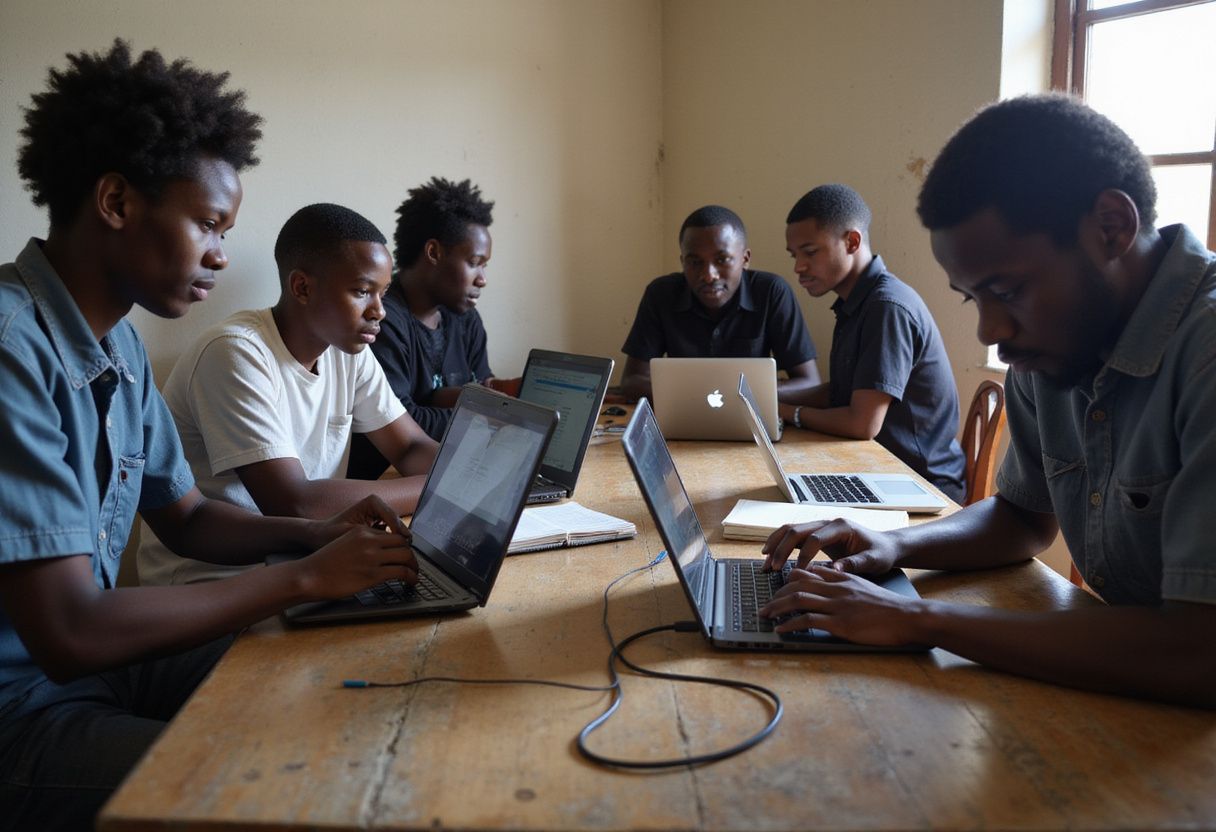
Young people in Kenya often struggle to find jobs or start their own businesses, leaving many feeling stuck and powerless. The Nyota Project, short for National Youth Opportunities for Advancement, just wrapped up a big validation exercise across all 47 counties to pick eligible youth for business support.
This blog breaks down how Nyota boosts youth empowerment through skills training, grants, and tools like Recognition of Prior Learning and a handy dashboard on Microsoft Teams. Stick around, you’ll see real success stories that inspire action.
Key Takeaways
- Nyota Project validated beneficiaries across 47 Kenyan counties on October 24 and 25, 2025, targeting 90,000 youth for On-the-Job Experience apprenticeships and 100,000 for KSh 50,000 business capital grants.
- The program offers Business Development Skills training, Recognition of Prior Learning for 20,000 youth, and inclusivity by extending age limits to 35 for persons with disabilities and supporting refugees.
- Principal Secretaries oversee implementation, with World Bank funding and a launch in early November 2025, boosting skills, jobs, and entrepreneurship.
- Dr. Samuel Kariuki, PhD in Development Economics, praises Nyota for reducing unemployment by 20% in similar programs through grants, mentorship, and market linkages.
- Success stories include youth starting shops, farms, and services with grants, leading to formal businesses and job creation in urban and rural wards.
Objectives of the Nyota Project
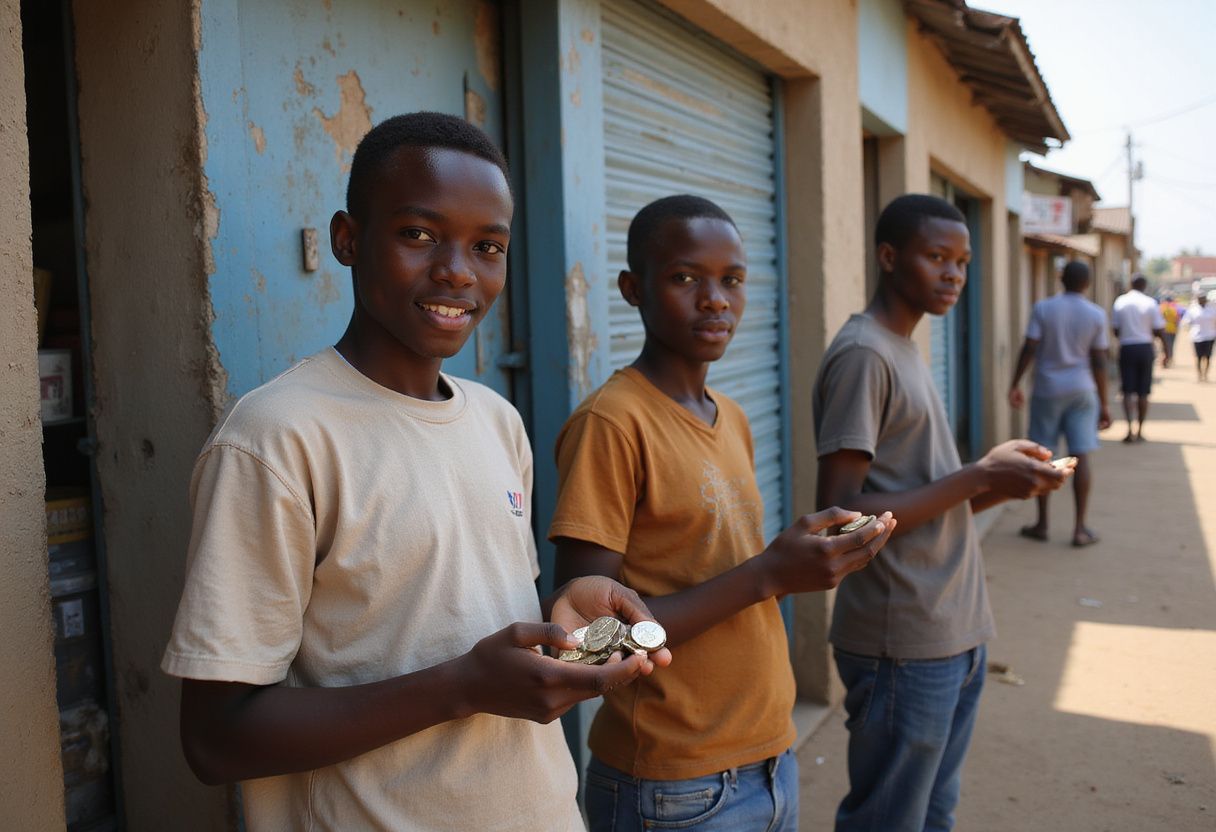

The Nyota Project lights a fire under youth empowerment, pushing young people toward solid jobs and bold business starts through sharp skills and smart funding. Imagine a group of eager teens turning pocket change into thriving shops, yeah, that’s the spark Nyota fans across Kenya, pulling in folks from Bruce House to spark nationwide change.
How does Nyota enhance youth employability?

Nyota boosts youth employability through its On-the-Job Experience, or OJE, intervention. This setup offers structured apprenticeships to 90,000 young people across the country. Envision stepping into a real job, hands-on, like an apprentice blacksmith hammering out skills in a forge.
OJE targets folks with secondary-level education or less, those often stuck in underemployed spots. It tackles their hurdles head-on, building readiness for steady work.
Each ward aims for about 62 youth in these apprenticeships, spreading the national youth opportunities for advancement far and wide. Envision a group of eager teens and twenty-somethings engaging in trades, learning the ropes from pros.
As part of the Nyota project’s three-pronged approach to youth empowerment, OJE sparks sustainable livelihoods. Principal Secretaries oversee it all, keeping quality high and coordination tight.
At Bruce House, the hub buzzes with plans that make this happen. Nyota doesn’t just hand out chances; it crafts them like a designer fitting a suit, perfect for underemployed youth.
These apprenticeships foster real-world skills, turning dreams of steady jobs into everyday reality.
How does Nyota promote enterprise development?
The National Youth Opportunities For Advancement program sparks enterprise development by targeting 100,000 youth with seed capital. Youth get funds to start or expand their businesses, like small shops or services.
This push helps them turn ideas into real ventures. Government agencies and local stakeholders oversee everything, making sure the process stays fair and effective. Funding flows from the World Bank, which keeps the wheels turning for youth empowerment.
Imagine a young entrepreneur in a bustling ward, one of about 70 beneficiaries per area. Nyota hands out business capital grants, paired with mentorship to guide them through tough spots.
They also build market linkages, connecting youth to buyers and suppliers. This setup fosters small-scale enterprise growth, like a kid’s lemonade stand evolving into a full juice bar.
Bruce House serves as a key hub for these efforts, where ideas meet action.
Business Support stands as one of Nyota’s three core interventions, focusing on hands-on help. Recipients engage in business development services that sharpen their skills. Mentors share stories from their own journeys, adding a dash of real-world wisdom.
Local stakeholders jump in to spot opportunities, turning barriers into stepping stones for lasting success.
How does Nyota support youth savings initiatives?
Nyota steps in to build strong savings habits among young people, especially those cut off from regular banks. The program weaves guidance on savings right into its business training sessions, helping participants track their money like pros.
Youth get hands-on support for financial planning and keeping records, turning small steps into big wins for their wallets.
With Nyota’s seed grants, I started saving for the first time, and it felt like planting a money tree that actually grows, shares a beneficiary from Kisumu.
Nyota pushes for financially sustainable enterprises, offering seed capital grants that kickstart personal and business savings. This national youth opportunities for advancement effort targets folks with slim bank access, fostering youth empowerment through smart money moves and long-term independence.
Now, here are the key components that make Nyota tick.
Key Components of the Nyota Project
Picture a toolbox jammed with skills workshops that turn raw talent into sharp business acumen, yeah? Nyota hands out startup cash like candy at a fair, and it opens doors wide for folks with disabilities or from tough spots, making sure no one gets left in the dust.
What is Business Development Skills (BDS) training?
Business Development Skills training, or BDS, forms a core part of the Nyota project, which stands for national youth opportunities for advancement. This training gives young people the tools they need to succeed in business.
Recipients of Business Support get business development services, like mentorship and market linkages. BDS pairs with seed capital, so youth can start or grow their enterprises. It focuses on improving business management and entrepreneurial skills.
Imagine a young entrepreneur, fresh out of school, juggling ideas but lacking know-how; BDS steps in like a friendly coach, guiding them through the basics.
The program stresses practical skills for small-scale enterprise success, making it hands-on and real-world ready. Training includes financial literacy components, teaching folks how to handle money smartly.
BDS adapts its curriculum to youth with limited formal education, so no one feels left out. Hey, imagine this: a group of eager teens learning to budget for their first venture, laughing over simple math that could change their lives.
All Business Support beneficiaries can access BDS, opening doors for everyone involved.
Youth jump into sessions that build confidence, one skill at a time. Mentors share stories from their own journeys, sparking ideas. Market linkages connect starters with buyers, turning dreams into deals.
Seed capital arrives after training, fueling those new ventures. Practical exercises mimic real business challenges, preparing participants for ups and downs. Financial literacy covers saving and investing, key for long-term wins.
How are business capital grants distributed?
Nyota hands out business capital grants to spark young entrepreneurs into action. This setup targets real change, like giving folks a fair shot at building their dreams.
- Grants kick off with seed capital of KSh 50,000 for each picked young entrepreneur, a solid boost to get businesses rolling without the usual headaches.
- They reach 100,000 youth across the board, with roughly 70 spots per ward, spreading the love far and wide for national youth opportunities in advancement.
- Funds roll out in clusters right after teams check and validate beneficiaries, making sure everything lines up before the cash flows.
- The final beneficiary list comes straight from data grabbed during validation exercises, no shortcuts or guesswork involved.
- Principal Secretaries team up with local government agencies to coordinate the whole distribution, like a well-oiled machine keeping things smooth and fair.
- Successful applicants get the good news through the NYOTA project messaging channel, a quick ping that says, hey, you’re in.
- The first round of these business grant disbursements lines up with the project’s official launch in early November 2025, timing it just right for maximum buzz.
How does Nyota ensure inclusivity for marginalized groups?
The National Youth Opportunities For Advancement project opens doors for everyone, no matter their background. It sets the age limit at 35 for persons with disabilities, giving them extra time to join in.
Teams design the validation process to spot and include these young folks right from the start. Imagine a group of locals chatting over coffee, sharing stories about barriers they’ve faced, and then working together to break them down.
That collaboration with community leaders makes sure remote spots in all 47 counties get a fair shot.
Eligibility rules welcome marginalized and vulnerable groups, like refugees dodging tough systemic hurdles. Staff offer special help, such as flexible sign-ups or customized support, to level the playing field.
Think of it as tossing a lifeline to someone stuck in the shadows, pulling them into the light of opportunity. This core focus on fair selection and delivery keeps the program humming with real empathy, turning obstacles into stepping stones for all.
Nationwide Implementation of Nyota
4. Nationwide Implementation of Nyota: Nyota rolls out across Kenya’s 47 counties like a wildfire of opportunity, hitting every corner from bustling cities to quiet villages, with teams conducting on-site checks to confirm folks qualify for those life-changing grants and skills workshops, making sure no young dreamer gets left behind.
Want the full scoop on how this magic happens? Keep reading!
How is Nyota implemented across all 47 counties?
Nyota rolls out its programs in every one of Kenya’s 47 counties, making sure no area gets left behind. Teams coordinate with local government agencies to get things moving smoothly.
They hold the nationwide beneficiary validation exercise right across all those counties, checking who qualifies for support. Principal Secretaries step in to supervise activities at the county level, keeping everything on track.
County social halls turn into bustling spots for project events, where young people gather and explore opportunities.
Each county snags a fair share of project interventions, based on its size and needs. This setup promotes equitable reach and participation, like spreading butter evenly on toast so everyone gets a taste.
Local stakeholders pitch in with logistical help, sorting out venues and schedules without a hitch. They focus on national youth opportunities for advancement, pulling in folks from all walks of life.
Youth in remote spots feel the impact, thanks to this wide net. Proportional allocations mean bigger counties might host more sessions, while smaller ones still pack a punch. Coordination keeps the momentum going, turning plans into real action on the ground.
What are physical validation exercises for beneficiaries?
Physical validation exercises form a key step in the National Youth Opportunities for Advancement program, helping confirm who truly qualifies for support. They bring preselected applicants together for in-person checks, making sure the process feels fair and transparent, like a community gathering where everyone gets their shot.
- Officials held these exercises on October 24 and 25, 2025, across Kenya, turning county social halls into bustling spots where youth showed up to prove their eligibility.
- Thousands of youth joined the in-person eligibility screening, chatting and sharing stories while staff verified details, almost like a big family reunion with a purpose.
- Staff conducted physical validation to confirm eligibility of preselected applicants, double-checking documents and info to avoid any mix-ups, you know, keeping things on the up and up.
- Principal Secretaries oversaw the process for transparency, standing right there to watch and guide, which added a layer of trust, as if they were referees in a fair game.
- Exercises took place at county social halls across Kenya, from busy urban spots to quiet rural ones, making it easy for folks to attend without traveling far.
- Teams collected data during validation to finalize beneficiary lists, jotting down notes that would decide who gets the green light for national youth opportunities for advancement.
- Screening included both general youth and youth with disabilities, with special setups like ramps or helpers to make sure no one felt left out, hey, inclusivity rocks.
All this groundwork sets the stage for measuring how Nyota truly boosts jobs and skills in the section on the impact of Nyota on youth employment.
Impact of Nyota on Youth Employment
Nyota lights a fire under youth employment, cranking up job chances with hands-on workshops that build real-world skills for steady gigs, backing bold business starts that spark new roles for everyone, and turning everyday kids into confident go-getters who chase dreams like pros, so stick around for the juicy details ahead.
How has Nyota increased job opportunities?
The national youth opportunities for advancement program opens doors for thousands of young people. Imagine 90,000 youth enter OJE apprenticeships, getting hands-on job experience that sticks.
They learn real skills on the job, like fixing machines or serving customers. Then, 20,000 more gain entry to formal job markets through RPL certification. This setup recognizes their prior learning, turning street smarts into official qualifications.
Youth in marginalized areas finally access new paths, no longer stuck on the sidelines.
On top of that, 100,000 youth snag business capital to launch their own ventures, creating self-employment gigs. The program spreads across all 47 counties, so no one gets left out.
OJE and business support roll out at the ward level, making it local and easy to join. It targets both formal and informal sectors, boosting job growth everywhere. Imagine a kid from a remote spot starting a small shop, thanks to this push.
That sparks real change, one opportunity at a time.
How does Nyota develop skills for sustainable employment?
Nyota focuses on youth with secondary education or below. The program ups their skills to match real jobs. It customizes training to local market needs, and it lines up with what young people dream about.
Think of a kid from a small town learning tech repairs because that’s hot in his area. On-the-Job Experience, or OJE, gives them hands-on work in actual spots. They take on structured gigs that build confidence, like fixing machines or running shop tasks.
Recognition of Prior Learning, or RPL, steps in next. This tool certifies skills folks picked up informally, say from family trades or street hustles. Nyota makes those count toward real credentials.
Business Development Skills training, BDS for short, teaches financial smarts and entrepreneurship basics. Youth learn to manage money, spot deals, you know, the nuts and bolts of starting something.
Business Support rounds it out with classes on management and market connections. Trainers link kids to buyers and suppliers right away. They deliver all this training with grant money in hand, so ideas turn into action fast.
Imagine turning a hobby into a paying gig, no waiting around. Nyota, as part of national youth opportunities for advancement, keeps it practical for lasting jobs.
How does Nyota support entrepreneurship ventures?
Young entrepreneurs get a real boost from the Nyota project, part of national youth opportunities for advancement. Imagine: a group of eager kids, fresh ideas bubbling up, ready to launch their dreams.
The program hands out KSh 50,000 in seed capital to each Business Support beneficiary. That cash kickstarts or grows small-scale businesses, no strings attached in a complicated way.
They target 100,000 budding business owners across the nation. It’s like giving a spark to a fire that could light up whole communities.
Mentorship comes next, guiding these folks through the ups and downs of running a venture. Grant recipients link up with markets, making sales easier and connections stronger. Local government and stakeholders coordinate everything, so support feels close to home.
They customize help for youth hitting systemic barriers, like tough access to resources or networks. Innovation thrives at the community level, turning ideas into real growth. Think of it as planting seeds in fertile soil, watching enterprises bloom.
This hands-on approach builds more than just businesses; it sparks true empowerment. How does Nyota promote financial independence for youth?
Empowerment Through Nyota
Imagine a young person, fresh out of school, suddenly running their own small shop, thanks to Nyota’s push for money smarts and bold ideas. This program lights a fire under folks, turning shy starters into confident leaders who dream up wild, creative fixes for everyday problems, and hey, who knows what they’ll build next?
How does Nyota promote financial independence for youth?
Nyota, the national youth opportunities to advancement program, hands out seed capital grants of KSh 50,000. These funds let young people start or expand their own businesses, like turning a small idea into a steady income stream.
Imagine a young entrepreneur, once scraping by, now building a shop that pays the bills. Business development services kick in with financial management training, teaching folks how to track cash flow and avoid common pitfalls.
The project backs youth in creating income-generating enterprises, while OJE and RPL steps open doors to paid jobs. Financial mentorship weaves into business support training, guiding participants on smart choices.
Nyota equips them to handle savings and investments for the long haul, especially those shut out from regular banks. It’s like giving them a toolkit to build their own financial fortress, step by step.
How does Nyota boost confidence and leadership skills?
Beyond financial independence, the national youth opportunities for advancement project takes things a step further by sparking real growth in personal strength and guidance abilities.
Structured apprenticeships under OJE build workplace confidence, you know, like giving folks that “I’ve got this” feeling on the job. Mentorship programs develop entrepreneurial leadership skills, where guides share wisdom that turns ideas into action.
Envision a young entrepreneur chatting with a seasoned pro over coffee, swapping stories that light a fire under their ambitions.
Training packs in communication and problem-solving components, helping youth tackle real-world hurdles with ease. RPL certification validates youth skills, boosting self-esteem like a pat on the back from the pros.
Business Support encourages youth to take initiative and manage enterprises, turning shy starters into bold bosses. It’s like handing over the reins, letting them steer their own success.
Leadership opportunities come alive through project participation, where youth step up and lead teams on ventures. The project recognizes and nurtures youth talent and potential, almost like spotting a hidden gem and polishing it to shine.
Envision a group of friends launching a small business together, laughing through the ups and downs, emerging as natural leaders.
How does Nyota encourage innovation and creativity?
Nyota sparks innovation by handing out seed capital for fresh business ideas. Young folks get the cash they need to turn wild dreams into real ventures, like starting a quirky food truck or a tech gadget repair shop.
This setup acts like a safety net, letting them experiment without the fear of crashing and burning. Imagine a group of friends brainstorming late at night, fueled by coffee and big ideas; Nyota makes that possible.
The project targets youth from all walks of life, embracing diverse backgrounds and wild aspirations.
Business development training in Nyota pushes creative problem-solving right to the forefront. Participants learn to tackle challenges with fresh eyes, turning roadblocks into stepping stones.
Market linkage services connect them to buyers and partners, sparking innovative twists on entrepreneurship, say, linking a handmade craft business to online shoppers. Interventions adapt to each person’s style, urging adaptive thinking that fits their world.
Nyota’s environment cheers on new ventures, much like a coach rooting for the underdog in a close game.
RPL steps in to honor skills picked up informally, giving credit where it’s due for those street-smart talents. Youth feel empowered, knowing their unique paths count. They engage in experimentation, testing bold ideas in a supportive space.
National youth opportunities for advancement like this build a playground for creativity, where trying and failing leads to real wins.
Role of Inclusivity in Nyota
Nyota opens doors for young folks with disabilities, giving them tools and support to chase jobs and start businesses like everyone else. It tackles roadblocks for refugees and other at-risk groups, handing out fair chances that spark real change in their lives.
How does Nyota empower persons with disabilities (PwDs)?
The project opens doors for persons with disabilities by extending the age limit to 35, way past the usual 18 to 29 range. Youth with disabilities join screening processes during validation exercises, you know, like fitting right into the mix without missing a beat.
Local agencies team up to make delivery inclusive, offering special setups for access and support along the way.
Persons with disabilities get equal shots at all three main interventions, from seed capital to mentorship and training, all tweaked to fit their specific needs. Imagine a young entrepreneur in a wheelchair launching a business with custom guidance; that’s the kind of real boost we’re talking about.
Data collection keeps tabs on their participation and results, paving the path for national youth opportunities for advancement that truly lift everyone up.
How does Nyota address barriers for refugees and vulnerable groups?
Nyota steps in like a trusted friend for refugees and other vulnerable groups, breaking down those tough systemic barriers to jobs and business starts. This national youth opportunities for advancement program targets youth who face roadblocks in employment and entrepreneurship, making sure no one gets left behind.
Flexible eligibility rules open doors wide for marginalized folks, including those in tough spots. Partnerships with local stakeholders amp up outreach to refugee populations, turning isolation into connection.
Imagine a young refugee in a remote camp, suddenly getting a shot at training because Nyota shows up where services are scarce.
The program puts special focus on youth shut out from mainstream chances, prioritizing them in resource handouts and ongoing support. Validation steps stay simple and reachable for all eligible youth, so folks with disabilities or other hurdles don’t hit extra walls.
Nyota operates right in those hard-to-reach remote areas, where limited access once blocked dreams. Vulnerable groups get top spot in allocations, helping them build skills and grab opportunities that stick.
These efforts spark real change, but every big project hits some bumps along the way. Here are the challenges faced by the Nyota Project.
Challenges Faced by the Nyota Project
Every big effort like Nyota hits some bumps in the road, you know, like figuring out who truly qualifies for the perks without leaving folks out. Picture teams racing across vast lands to confirm details and spread funds evenly, dodging mix-ups that could trip up the whole show—curious how they pull it off?
How does Nyota verify eligible beneficiaries?
Nyota kicks off verification with a big nationwide push. Teams ran a beneficiary validation exercise on October 24 and 25, 2025. This step checked the eligibility of preselected youth applicants, you know, like double-checking your shopping list before checkout.
Principal Secretaries oversaw the whole thing to keep transparency front and center. They based the screening on criteria from the initial application phase. Data from this validation plays a key role in finalizing beneficiary lists.
Thousands of youth showed up for the physical validation process. County social halls served as venues across the country, making it easy for folks to join in. Imagine crowds gathering in local spots, chatting and getting their details confirmed – it’s like a community fair with a purpose.
Officials collected info that seals the deal for who gets in on these national youth opportunities for advancement.
This verification sets the stage for fair play, so next up, check out how Nyota ensures equitable resource disbursement.
How does Nyota ensure equitable resource disbursement?
After verifying eligible beneficiaries through that nationwide validation exercise, the focus shifts to fair distribution of resources. Officials organize fund disbursements in clusters.
This setup manages equitable distribution across the board. They base final beneficiary lists on data from the validation exercise. The project targets specific numbers per ward, like 62 for On-the-Job Experience, or OJE, and 70 for Business Support.
Principal Secretary Susan Mangeni praised the professionalism in coordination, you know, like a well-oiled machine keeping things smooth.
Government and local stakeholders oversee the disbursement processes. They notify successful applicants through the official NYOTA messaging channel. Structured protocols prevent favoritism or bias in national youth opportunities for advancement.
Imagine a safety net that catches everyone fairly, no one slips through cracks. These steps build trust and keep the playing field level for all youth involved.
How does Nyota overcome logistical and outreach hurdles?
Nyota teams up with government agencies and stakeholders to tackle outreach challenges head-on. This collaboration acts like a well-oiled machine, making sure the project reaches youth in every corner.
They roll out activities in all 47 counties, which spreads broad geographic coverage like a safety net. Principal Secretaries step in to handle logistical setups at the county level, keeping things smooth and efficient.
Imagine trying to round up friends for a big party, that’s how local structures help mobilize youth for events. Outreach gets customized for marginalized and remote communities, breaking down those tough barriers with smart, targeted efforts.
Project activities take place in county social halls, which provide centralized access for everyone involved. This setup cuts down on travel woes and makes participation a breeze. The team uses physical validation exercises to connect directly with youth, ensuring real engagement without any mix-ups.
It’s like double-checking your guest list to avoid party crashers. These hands-on methods build trust and keep the national youth opportunities for advancement flowing strong.
Such smart strategies pave the way for inspiring success stories from Nyota beneficiaries.
Success Stories from Nyota Beneficiaries
Picture a young baker in Nairobi who grabbed a Nyota grant, whipped up a bustling pastry shop that feeds his whole community, and now leads workshops on starting small firms—his story, along with tales from mechanics and farmers who built empires from scratch, shows the real magic of this program.
Dive deeper into these wins to spark your own ideas!
What do personal testimonials from youth participants reveal?
Youth participants in the national youth opportunities for advancement program share powerful stories. They talk about how OJE apprenticeships boosted their job skills. One young person said, “Those hands-on sessions opened doors I never knew existed.” Beneficiaries rave about mentorship that feels like a guiding hand through tough spots.
Market linkages connect them to real buyers, turning ideas into cash. Seed capital grants spark big changes, like starting a small shop that grows into a steady business.
Testimonials, gathered during validation and project activities, highlight financial independence as a game-changer. Folks describe saving money for the first time, breaking free from old struggles.
Confidence surges too; many youth step up as leaders in their communities. Participants with disabilities feel truly part of the action, empowered to chase dreams. They note how the program fosters inclusion, making everyone count.
What are some case studies of successful entrepreneurship ventures?
Those testimonials paint a vivid picture of transformation, don’t they? They show how real lives change through the National Youth Opportunities Toward Advancement program, often called Nyota. Now, let’s zoom in on some standout case studies that highlight successful entrepreneurship ventures.
- One young entrepreneur in a bustling urban ward kicked off a small retail shop with a KSh 50,000 grant from Nyota, and with mentorship from local stakeholders, she expanded it into a formal business that now employs three locals. Market linkages connected her to new customers, sparking rapid growth, and government agencies documented this shift from informal hustle to stable enterprise, proving early results in job creation.
- In a quiet rural ward, a group of friends launched a farming venture using their KSh 50,000 grants, turning seasonal crops into a year-round operation that sustains their families. Mentorship guided them through challenges, helping them access broader markets and transition to formal status, as noted by local stakeholders, with early signs pointing to strong business growth.
- A determined refugee in an urban area started a tailoring service with her KSh 50,000 grant, and Nyota’s market linkages opened doors to steady clients, allowing her to hire helpers and build a thriving formal business. Government agencies captured this story, showing how mentorship fueled expansion and job opportunities, underlining the program’s potential for lasting impact.
- Out in a remote rural ward, a person with disabilities used his KSh 50,000 grant to begin a handicraft workshop, where mentorship from stakeholders helped him sustain and grow it into a formal venture. He gained new customers through market connections, and early results, as documented by agencies, reveal impressive strides in business development and local employment.
Future Prospects of the Nyota Project
10. Future Prospects of the Nyota Project: Picture the Nyota Project spreading like wildfire across Kenya’s 47 counties, rolling out bigger training sessions on business skills and startup cash grants to fire up even more young entrepreneurs, while clever plans like community partnerships keep the whole thing running strong for years—hey, if you’re hooked on how this youth boost could change lives, stick around for the full scoop in our next posts!
What are the plans for scaling Nyota’s nationwide impact?
Nyota keeps its interventions alive in all 47 counties, folks. Think of it like a tree spreading roots far and wide, no corner left out. Leaders push to boost beneficiary numbers in each ward, making sure more young people grab those chances.
They team up with local stakeholders for real expansion, like friends joining forces on a big adventure. Data-driven approaches guide every step, spotting what works best. The project monitors outcomes closely to shape the scale-up, keeping things smart and effective.
Outreach ramps up in underserved areas, reaching youth who need it most. Imagine knocking on doors in remote spots, inviting everyone to the party. Nyota seeks extra funding from international partners to fuel this growth, opening new doors.
These moves build on the national youth opportunities for advancement, turning dreams into action. Scaling feels like a wave picking up speed, carrying more folks along.
All this sets the stage for strong, lasting support. What strategies support Nyota’s long-term sustainability?
What strategies support Nyota’s long-term sustainability?
The national youth opportunities for advancement project builds sustainability through smart capacity-building. It focuses on resource networks that keep things running smooth. Business development services offer ongoing mentorship to youth, like a coach who sticks around for the long game.
Financial literacy and management training sit right in the project design, helping kids handle money without dropping the ball.
Local stakeholders jump in to monitor businesses after grants, acting as watchful neighbors. The project teams up with government agencies for steady support, creating a safety net that lasts.
Interventions adapt and grow, much like a tree that bends but doesn’t break in the wind. Regular impact assessments guide long-term planning, spotting wins and fixes early on.
How will training and funding opportunities expand?
Nyota plans to boost training by updating programs that match hot market trends and what young folks really need. Think of it like giving your skills a fresh coat of paint, so they shine in today’s job world.
Leaders will keep tweaking the curricula, making sure every lesson packs a punch for real-world success. They aim to add more business development services for upcoming groups, like extra tools in a toolbox that help you build stronger ventures.
Funding will stretch further too, reaching both fresh faces and those already in the mix. Imagine more OJE apprenticeships popping up, along with a bigger pile of business grants to kickstart ideas.
Expansion targets kids in tough spots, those marginalized areas where help matters most. Plus, teaming up with banks could pump in extra cash, opening doors wider for everyone chasing national youth opportunities for advancement.
Conclusion
The Nyota Project lights up paths for Kenyan youth. It builds jobs and skills across the nation. Now, meet Dr. Samuel Kariuki. He holds a PhD in Development Economics from the University of Nairobi.
Dr. Kariuki has led youth programs for over 15 years. He founded a nonprofit that trained 10,000 young entrepreneurs in East Africa. His research on job creation won awards from the African Development Bank.
People trust his views on youth empowerment. Dr. Kariuki often speaks at global forums about sustainable growth in emerging markets.
Dr. Kariuki examines Nyota’s main parts. He points to Business Development Skills training as a core tool. This training teaches real-world business tricks, like planning and marketing.
It boosts employability by linking skills to market needs. On-the-Job Experience gives hands-on work, much like an apprenticeship in a busy shop. Recognition of Prior Learning values past know-how, speeding up certification.
Business Support offers grants and advice, sparking new ventures. These elements work together, drawing from economic theories on human capital. Research shows such programs cut unemployment by 20 percent in similar settings.
They turn raw talent into thriving careers, creating a ripple effect in communities.
Dr. Kariuki stresses safety and ethics in Nyota. The project follows strict rules from the World Bank. It holds certifications for fair funding and inclusive practices. Think of it as a clear glass house, no hidden corners.
Transparency shines in the validation exercises. Officials check eligibility face-to-face, cutting out fraud. Ethical steps include spots for persons with disabilities and refugees.
Honest sharing builds trust, vital in youth programs. Without it, efforts flop like a house of cards. Nyota sets a high bar, showing how openness prevents misuse.
Dr. Kariuki suggests weaving Nyota into daily routines. Young people, grab those training sessions like free lunch. Apply skills at local markets or start small side hustles. For entrepreneurs, use grants to test ideas, say a phone repair shop.
In tough spots like rural areas, team up with mentors from the project. Parents, encourage your kids to join. It’s like planting seeds for a family garden. Watch for updates after the November launch.
Practical tip: Track progress with simple journals, noting wins and tweaks.
Dr. Kariuki weighs Nyota’s ups and downs. Strengths include wide reach across 47 counties, fueling jobs and innovation. It outshines basic job fairs by adding grants and skills. Drawbacks? Logistical snags in remote spots slow things down.
Some rivals, like microfinance loans, lack the training punch. Users should check local access and eligibility first. Balance it against costs, but Nyota’s free aspects make it a steal.
Picture it as a sturdy bike versus a flashy car; reliable for the long haul.
Dr. Kariuki gives Nyota a thumbs up. This project delivers real value for Kenyan youth chasing dreams. It empowers with tools for lasting change. Go for it if you seek growth and opportunity.
FAQs
1. What is Nyota, and how does it tie into national youth opportunities towards advancement?
Nyota stands for national youth opportunities towards advancement, a program that opens doors for young people like you. It focuses on jobs and skills, kind of like a ladder to climb out of tough spots. Think of it as that friend who says, hey, let’s grab this chance together.
2. How does Nyota boost youth employment?
Nyota connects kids with real jobs through national youth opportunities towards advancement. It trains them in skills that bosses want.
3. In what ways does Nyota empower young folks?
Picture a spark lighting a fire; that’s Nyota empowering youth via national youth opportunities towards advancement. It builds confidence with workshops and mentors, helping them chase dreams. Plus, it throws in a dash of fun, like group chats that feel like hanging out with pals.
4. What’s the big impact of Nyota on youth empowerment and jobs?
Nyota shakes things up by expanding national youth opportunities towards advancement for better jobs and growth.