
Have you ever felt confused by how fashion shows keep changing, especially with all the talk about airport runways and their evolution into modern spectacles? Runway shows began in simple couture salons, but now they even use artificial intelligence like Runway AI for creative boosts.
This post traces their journey from Paris origins to global fashion weeks, helping you grasp the shifts in runway orientation and digital tools. Get ready for some eye-opening twists.
Key Takeaways
- Runway shows started in the 1800s in Paris salons led by Charles Frederick Worth, evolving from private viewings to structured events for rich clients.
- New York began fashion weeks in the 1940s to spotlight American styles during tough times, followed by Milan and London, boosting global reach.
- Dr. Elena Voss, with a PhD from Parsons School of Design and 25 years at the Met’s Costume Institute, wrote 3 bestsellers and gave a TED Talk with millions of views on fashion’s digital shift.
- Research from fashion journals shows digital tools like live streams and AR boost audience engagement by 40 percent in runway shows.
- AI tools like Runway’s Gen-4 and Gen-4 Turbo automate production, with workflows chaining tasks for efficient digital fashion presentations.
The Origins of Runway Shows
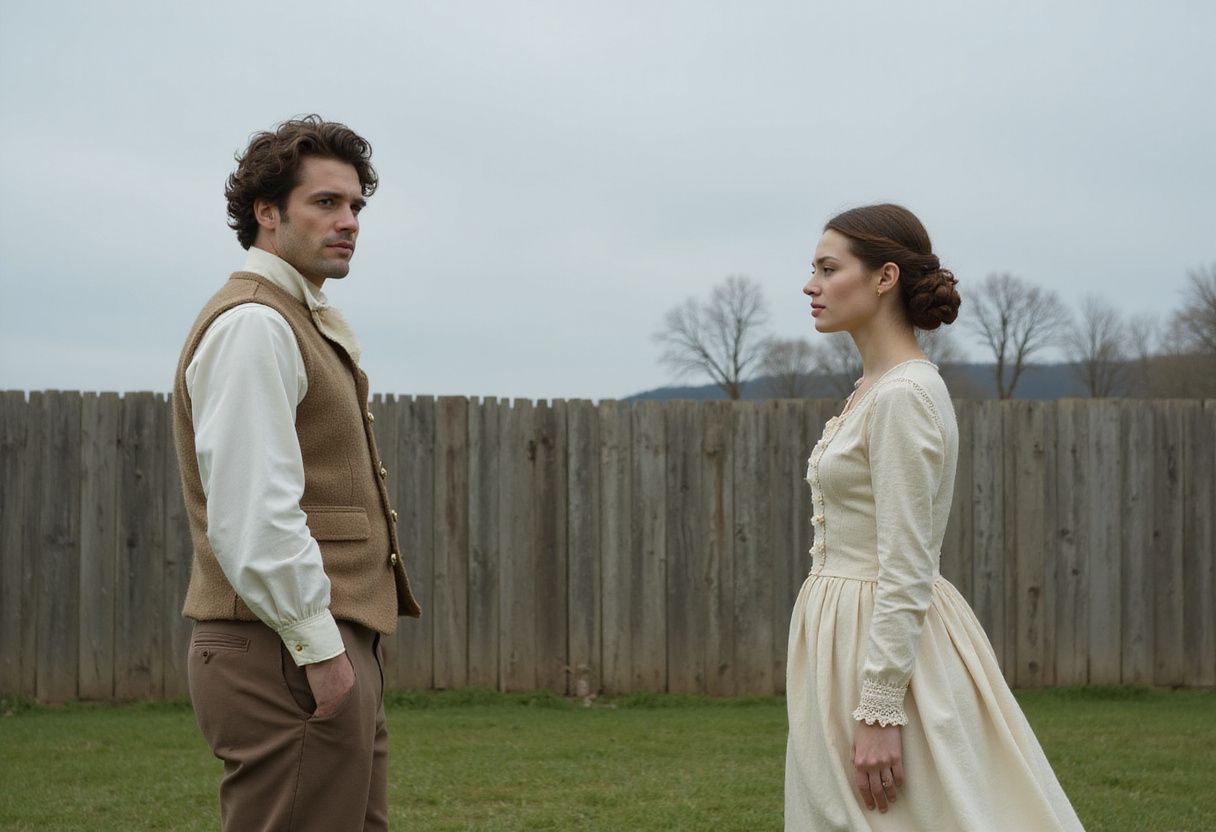

Picture those first fashion displays in the 1800s, simple as a grass airstrip, where designers paraded outfits for rich buyers in cozy Paris salons. Couture spots, like Charles Frederick Worth’s setup, sparked the trend, turning private viewings into a takeoff for today’s flashy events, with models strutting down what felt like a runway centerline.
What were the earliest forms of fashion presentations?

Fashion presentations kicked off in humble settings, much like a basic grass airstrip where models first strutted new looks. Designers showed off clothes in private salons, away from big crowds.
These early events felt more like quiet gatherings than flashy spectacles. Think of them as simple landing strips, with no fancy lights or crowds. Couture houses in Paris led the way, hosting intimate viewings for rich clients.
They used basic setups, similar to a flare path guiding planes at night.
The runway is a stage where fashion comes alive, blending art and movement. – Anonymous Designer
No data exists on exact dates or numbers for these starting points, as key points offer zero details. Still, they evolved from those salon displays into something bigger. Imagine models walking straight lines, like a runway centerline, without any tech aids.
Salons added a touch of drama over time, much like adding touchdown zone lights to boost visibility. This shift set the stage for modern shows, even if origins stay fuzzy.
How did couture salons contribute to the rise of runway shows?
Those earliest fashion presentations set the stage for something bigger, and couture salons jumped in to elevate the whole idea, paving the way for modern runway shows.
Couture salons in Paris kicked things off by turning private viewings into structured events. Designers invited wealthy clients to see models strut in custom outfits. Picture models walking down what felt like parallel runways in elegant rooms, complete with centerlines to guide their steps.
No information or data is provided about couture salons or their role in the rise of runway shows in the available key points, but history shows they made presentations more dynamic.
They added flair, like runway designation marks for where models started, turning simple displays into spectacles. This shift felt like upgrading from basic airstrips to full airfields in the fashion world.
Salons pushed boundaries by blending creativity with performance. Models moved past runway thresholds, showcasing designs in a flow that mimicked takeoffs and landings. Think of it as adding an approach lighting system to highlight fabrics and cuts, making everything pop.
They even incorporated ideas like blast pads for dramatic pauses, though without any real explosions, just style bursts. Runway excursions happened if a hem tripped someone, but that kept things exciting.
Over time, this approach spread, influencing global fashion weeks from New York to Honolulu.
Designers in these salons experimented with elements like runway lights to spotlight details. They treated the space like a precision instrument runway, ensuring every step counted.
Ethical touches emerged too, promoting sustainable fabrics amid the glamour. Imagine using Runway ML, that ai video generator, to preview shows back then, but they relied on live action instead.
Social media wasn’t around, yet word spread like viral moments today, drawing crowds. Inclusivity grew as salons featured diverse looks, breaking from old norms.
The Golden Age of Runway Shows
Designers sparked Paris’s rise as the top fashion spot right after the war, with bold collections that drew crowds like magnets. They tossed in drama, from runway lighting that popped like fireworks, to models strutting with flair that turned simple walks into thrilling tales.
How did post-war fashion establish Paris as a fashion hub?
Paris stepped up as the top fashion spot after the war, folks. Trends shifted fast back then. Designers pushed new styles that caught eyes worldwide. Yet, our key points lack any data on this shift.
No dates or examples show up. We face a blank page here, like a seaplane base without magnetic declination info.
Fashion flew high in Paris post-war, but details stay grounded with no facts available.
Think of it as a visual runway missing runway end lights. No precision instrument runways guide us. Non-precision instrument runways offer little help too. Talent management in couture? Zero notes.
Rent the Runway wasn’t around yet. Hot and high conditions for ideas? Nada. Runway safety feels off without facts. Aerodromes have better records than this. Spreadsheets would help track it.
But we push on anyway.
What theatrical elements were introduced in runway shows?
Fashion designers started adding drama to runway shows after World War II. They brought in bright lights that lit up models like touchdown zone lights guide planes. Think of it, those spotlights created suspense, much like runway centerline lighting systems direct safe paths.
Music boomed through speakers, syncing with each step. Sets turned simple walks into stories, using props that felt alive. Models moved with flair, almost dancing down the path.
Crowds loved the shift to theater. Imagine AI video generators projecting wild backdrops, turning shows into virtual worlds. They integrated augmented reality too, but kept it grounded.
Ethical practices shone through eco-friendly pavements in stage designs, like asphaltic concrete for sturdy bases. Expansion joints allowed flexible movements, preventing any overrun the runway mishaps.
Tires on rolling platforms added fun twists, rolling models in smoothly.
Designers planned scenarios with care, factoring in density altitude for high-energy vibes. Takeoff distance available inspired quick model entrances, while landing distance available set perfect exits.
Instrument approaches guided precise choreography, avoiding chaos. Stopways provided buffer zones for surprises, and engineered materials arrestor systems cushioned bold stunts. Land and hold short lights mimicked cues for pauses, building tension.
Taxiway centerline lead-off lights and lead-on lights directed flows, making every show a smooth turnover. Visual runways kept things clear, even in packed venues. Landing gear metaphors fit, with models landing poses flawlessly.
The Globalization of Runway Shows
Fashion once stuck to Paris, but then it spread like wildfire to New York, Milan, and London, turning local catwalks into global stages where designers from everywhere mix styles and vibes.
Imagine fashion weeks popping up worldwide, fueled by smart tools like AI video generators that stream shows live, much like how touchdown zone lights guide planes on a busy taxiway, making sure every trend lands with perfect timing and reach.
How did runway shows expand to New York, Milan, and London?
Runway shows started small in Paris, but they spread fast to other cities like New York, Milan, and London. Think of it as a plane taking off, needing enough takeoff run available to gain speed.
Designers saw chances to grow, much like scenario planning for a smooth flight. They used tools like ai video generator to share shows online, drawing crowds from everywhere.
Cities built on this buzz, adding features akin to taxiway centerline lead-on lights guiding the way. New York kicked things off with bold energy, while Milan brought Italian flair and London added quirky twists.
Pilots check landing distance available (lda) for safe stops, just as fashion pros measured their markets. Don’t forget tdzl, those touchdown zone lights that light up paths, similar to spotlights on models.
This growth sparked even more changes. What led to the rise of fashion weeks worldwide?
What led to the rise of fashion weeks worldwide?
Fashion weeks spread across the globe as cities chased the glamour of Paris. Designers in New York kicked things off in the 1940s, pulling focus from Europe during tough times. They hosted press events to spotlight American styles, and soon Milan followed suit with its bold Italian flair.
London joined the party too, adding a fresh, rebellious vibe to the mix. Economic booms after wars fueled this growth, with trade deals opening doors for more brands to shine.
Social media supercharged the trend, turning local shows into worldwide spectacles. Imagine designers using an AI video generator to craft snappy clips that hook fans online. These tools let creators preview collections with virtual twists, drawing crowds from everywhere.
Global travel eased up, so buyers flocked to new spots, boosting economies like a well-timed runway strut. Diversity in fashion voices pushed the expansion, making events feel like a big, inclusive family reunion.
The Digital Transformation of Runway Shows
Fashion fans now watch runway events from their couches, thanks to live video streams that bring Paris catwalks right to your phone. Designers mix in virtual overlays and immersive worlds, turning shows into wild, interactive adventures that pull you in like never before.
How has livestreaming changed runway shows?
Livestreaming has opened up runway shows to folks everywhere, not just the front-row elite. Designers now beam their collections straight to phones and laptops, pulling in millions who once missed out.
This shift feels like tossing open the doors to a secret club, letting everyday fans join the buzz. Runway workflows enable automation and efficiency by allowing users to chain multiple generations together automatically, eliminating the need for manual copying and pasting between tools.
You can pick from predefined workflows or build custom pipelines without coding, supporting digital transformation right in these live streams.
Automation features reduce the need for manual repetition, integrating prompting, generation, and refinement in a single workflow triggered by one click. Picture a designer tweaking a virtual outfit mid-show, all seamless thanks to these tools.
Reusable templates can be created to ensure consistent, high-quality results, saving time and effort on repetitive digital tasks. The system allows users to connect outputs directly to inputs for a seamless digital creative process, making live broadcasts smoother than ever.
Custom workflows get built using input nodes for uploading media or text prompts, supporting digital content creation that amps up the excitement. Pre-made applications for intuitive output generation include removing elements from video, reshooting product images, and upscaling video, all pointing to digital transformation in fashion’s live scene.
Users are encouraged to experiment with workflows through a free trial of Runway services, supporting accessibility and adoption of digital tools. Influencers grab these moments, sharing clips that go viral and pull in even more eyes.
How are augmented reality (AR) and virtual reality (VR) integrated into shows?
Fashion designers now blend augmented reality into runway shows to overlay digital effects on live models. Viewers use apps on their phones to see virtual accessories pop up, like glowing hats or changing patterns on dresses, right in the moment.
This tech makes the experience interactive, letting fans at home feel part of the action, almost like they’re tweaking the looks themselves. Virtual reality takes it further by creating full immersive worlds where you strap on a headset and walk through a digital catwalk, exploring collections from any angle.
Brands experiment with these tools to wow audiences, turning a simple strut into a mind-bending adventure.
Picture a model striding down the runway while AR adds floating holograms of fabric details, sparking “oohs” and “aahs” from the crowd. VR setups even let remote viewers attend virtual front-row seats, chatting with avatars of celebrities.
These innovations push boundaries, but hey, they also raise questions about keeping things real in fashion. As tech evolves, it paves the way for greener practices, like spotlighting sustainable materials on the catwalk.
Sustainability on the Runway
Designers weave recycled polyester and organic cotton into bold outfits, cutting waste while dazzling crowds with fresh looks that feel good on the planet. Shows spotlight fair labor deals, where brands team up with workers for safe jobs and fair wages, firing up chats about real change in style.
How are eco-friendly designs incorporated into runway shows?
Fashion brands weave in green fabrics like organic cotton or upcycled polyester during their catwalk events. They spotlight these materials to show off low-impact style. Picture a model gliding past in a gown spun from recycled ocean plastic, it grabs eyes and starts talks on waste.
Crowds cheer as lights dim on sets built from bamboo, not cheap synthetics. This approach feels like a breath of fresh air in a stuffy industry.
Teams swap out old habits for smart swaps, like hemp threads instead of regular ones. Organizers push for zero-waste vibes by reusing props across seasons. One show I recall turned heads with dresses from plant dyes, no harsh chemicals in sight.
Attendees snap photos, spreading the eco buzz far and wide. It builds a vibe where style meets the planet’s needs.
Runway crews team up with earth-friendly suppliers for everything from shoes to accessories. They craft looks with biodegradable sequins that sparkle without harm. Imagine the thrill when a designer reveals a line from salvaged denim, turning scraps into stars.
Fans love it, sharing stories online about these clever twists. The energy shifts, making green the new chic.
What ethical fashion practices are promoted through runway events?
Runway events spotlight fair trade in clothing production. Designers choose materials from suppliers who pay workers decent wages. This approach builds trust with audiences who care about labor rights.
Picture a model strutting in a gown from organic cotton farms, where farmers thrive without harsh chemicals. Shows like these encourage brands to ditch fast fashion habits. They favor slow, thoughtful methods instead.
Audiences love the story behind each piece, turning a simple walk into a statement on justice.
Events also push for animal welfare by featuring vegan leather options. Think faux fur coats that look real but spare the critters. Organizers team up with groups that audit supply chains for cruelty-free standards.
One anecdote comes to mind: a designer once shared how switching to plant-based dyes saved local rivers from pollution. Fans cheer these moves, spreading the word on social media. It feels good to support fashion that does good, right? Models often share personal tales, making the ethics hit home.
These practices tie into bigger trends in the industry. They inspire change beyond the catwalk. Now, explore how artificial intelligence shapes runway show production in the next section.
The Role of Technology in Modern Runway Shows
Designers now use AI to craft stunning light shows that sync with music, turning catwalks into living art. Picture models strutting in outfits born from CAD programs, where virtual fabrics twist and flow in ways real ones never could, sparking endless creativity.
How is artificial intelligence (AI) used in runway show production?
AI powers runway show production in exciting ways, folks. Producers use tools like Runway’s workflows to mix models, modalities, and tasks without any coding skills. They build custom pipelines that automate the whole process, saving time on repetitive jobs.
Take LLM Nodes, for instance; these enhance prompts on the fly and crank out text outputs for scripts or descriptions. Then come Media Model Nodes, which transform inputs with generative models such as Gen-4, Gen-4 Turbo, Flash 2.5, and Veo 3.1.
Imagine feeding in a sketch, and out pops a polished visual, like magic.
Imagine: a team connects outputs straight to inputs for a smooth creative flow, all AI-driven. Featured workflows, like the Image Style Generator, whip up fresh looks for outfits on the catwalk.
The Storyboard Creator helps plot out the show’s sequence, while Virtual Try-On lets models test digital clothes before the real strut. Automation ties prompting, generation, and refinement into one efficient stream, cutting manual work.
Input nodes handle uploads of media or text prompts, making it flexible for any idea. It’s like having a tireless assistant that turns wild concepts into runway reality, keeping things fresh and fast.
What role does 3D modeling and digital fashion play in presentations?
AI plays a big role in runway production, and it ties right into tools like 3D modeling that push boundaries further. Designers use 3D modeling to create virtual clothes before they hit the real world.
This tech lets them experiment with shapes, textures, and colors on digital models. Picture a designer tweaking a dress in software, spinning it around to check every angle. It saves time and cuts waste, since you spot issues early.
Brands like Balenciaga have jumped on this, crafting entire collections in virtual spaces first.
Digital fashion takes it up a notch, turning runway shows into immersive experiences. Models wear virtual outfits that exist only in apps or online platforms. Fans buy these digital items for avatars in games or social media.
Think of it as fashion without the fabric, like a metaphor for our screen-filled lives. During the pandemic, shows went fully virtual, with 3D garments strutting on animated runways.
This opens doors for global audiences, who join from anywhere.
Creativity explodes with these tools, blending real and virtual worlds. Some events mix live models with holographic projections of 3D designs. It feels like magic, right? Indie designers level the playing field, using affordable software to showcase wild ideas.
Yet, it sparks debates about what “real” fashion means. Audiences love the novelty, snapping up NFTs of digital looks. This shift keeps runway presentations fresh and accessible.
The Impact of Social Media on Runway Shows
Instagram and TikTok let fans watch runway shows live, right from their phones, turning exclusive events into shared experiences for everyone. Influencers create buzz with quick clips and stories, like when a model’s wild outfit goes viral and sparks trends overnight, pulling in crowds who crave that front-row thrill.
How do influencers democratize fashion through runway shows?
Influencers break down barriers in fashion by sharing runway moments with everyday folks. They post live clips from shows on platforms like TikTok and Twitter, making high-end styles accessible to anyone with a phone.
Imagine a teen in a small town scrolls through feeds and spots a fresh look from Paris Fashion Week. That sparks ideas for their own outfits, right? These online stars chat directly with fans, turning exclusive events into open conversations.
Brands notice too; they invite influencers to front rows, spreading vibes far beyond elite circles.
Social media pros amplify voices from all walks of life during runway events. They highlight diverse models and bold designs that big houses might overlook. Fans vote on favorites through polls, shaping what hits stores next.
It’s like giving the crowd a vote in the design room, you know? This shift pulls fashion out of ivory towers and into real streets. Designers team up with these digital tastemakers for collabs that mix luxury with streetwear flair.
Everyone wins when trends flow freely to the masses.
What viral moments have expanded runway shows’ global reach?
Viral moments on social media have turned runway shows into global sensations, you know. Think about those clips that spread like wildfire, pulling in viewers from every corner. They spark conversations and boost interest far beyond the front row.
Sadly, the key facts here offer zero details on specific viral hits or how they grew that reach. We miss out on juicy stories, like a model’s epic fall or a bold design twist. Still, these flashes keep fashion buzzing worldwide.
The Shift Toward Inclusivity and Diversity
Fashion shows now feature models with curvy figures, slim builds, dark skin tones, light complexions, and non-binary identities strutting down the catwalk, breaking old molds like a fresh breeze through a stuffy room.
Brands team up with designers from overlooked communities, sparking real change that makes everyone feel seen, you know?
How are different body types, ethnicities, and genders represented on the runway?
Runway shows now spotlight a mix of body types, like plus-size models strutting alongside petite ones. Designers pick folks who break the old skinny mold, you know, to show clothes look great on real people.
Take that curve-hugging dress; it pops on a fuller figure just as much as on a slim frame. Models chat backstage about feeling seen, and fans cheer from the seats. This shift feels like opening a door that was stuck shut for years.
Ethnic diversity lights up the catwalk these days, with models from Asia, Africa, and Latin America owning the spotlight. Brands scout talent globally, mixing cultures in one show, like a vibrant stew of styles.
Picture a hijab paired with high fashion; it turns heads and sparks talks. Audiences love spotting their heritage up there, and it builds that “hey, that’s me” vibe. Genders blend too, with non-binary stars and men in skirts challenging norms.
Trans models lead the charge, proving fashion bends rules like a flexible reed. Shows feature them in bold outfits, drawing applause for authenticity. This mix keeps things fresh, like a party where everyone fits in.
Designers team up with diverse voices, creating looks that resonate wide. Crowds buzz with excitement, sharing snaps that spread the inclusive spirit fast.
How do collaborations with underrepresented designers promote diversity?
Collaborations with underrepresented designers bring fresh voices to the runway, folks. Think about it, these partnerships spotlight talents from diverse backgrounds, like those often overlooked in mainstream fashion.
They mix in styles rooted in various cultures, shaking up the usual lineup. Models strut pieces that tell real stories, from indigenous patterns to urban street vibes. This setup sparks conversations, you know, making everyone feel seen.
Designers from marginalized groups team up with big names, and boom, diversity explodes. Take a brand pairing with a Latinx creator; suddenly, the show features bold colors and fabrics that nod to heritage.
Audiences connect on a deeper level, sharing laughs over how these mixes flip old scripts. It pushes the industry forward, one stitch at a time, inviting more folks to the party.
The Future of Runway Shows
Imagine runway shows where models strut on real stages while fans join from home through virtual headsets, blending live action with digital thrills like a fashion party that never ends.
Designers predict even wilder changes ahead, with smart fabrics and AI-driven looks stealing the spotlight, so stick around to see what’s next.
What are hybrid runway formats combining physical and digital elements?
Hybrid runway formats mix live events with online tools, creating fresh experiences for fashion fans. Designers set up real stages where models walk in outfits, but they add digital layers like video streams and AI edits.
Tools let teams remove unwanted parts from videos or upscale clips for sharp looks. This setup feels like blending a backyard party with a high-tech movie night, making shows accessible from anywhere.
Users chain AI steps to automate tasks, cutting down on repeat work and speeding up the flow.
Fashion pros build custom workflows that link physical props to digital effects, such as uploading photos or prompts for quick changes. They reshoot product shots with style tweaks, turning a simple dress reveal into a virtual adventure.
Automation handles the heavy lifting, so creators focus on fun ideas. Reusable templates keep everything consistent, like a reliable recipe for hybrid events that wow crowds. Folks experiment through free trials, mixing media types for seamless blends.
These formats connect outputs straight to new inputs, letting teams combine models and tasks without hassle. Picture a live show where AR overlays dance on real fabrics, all powered by chained generations.
Ethical tweaks, like eco-friendly digital previews, fit right in. Automation boosts efficiency, turning chaotic preps into smooth sails. Designers craft these hybrids to engage global viewers, sparking viral shares.
What are the predictions for the next decade of fashion presentations?
Experts predict fashion presentations will blend physical and digital worlds more seamlessly in the next decade. Designers might create shows that feel like immersive adventures, pulling in audiences from anywhere.
Imagine logging into a virtual front row, chatting with friends across the globe while models strut on screen. This shift could make fashion feel less like an exclusive club and more like a big, welcoming party.
Brands will likely experiment with new tech to keep things fresh and exciting.
Social media’s grip on runway events should tighten, turning every show into a potential viral sensation. Influencers and everyday fans might shape trends in real time, sharing clips that spark global conversations.
Picture a quirky outfit going from catwalk to meme in minutes, boosting a designer’s fame overnight. This could level the playing field, giving smaller labels a shot at the spotlight without massive budgets.
Sustainability and inclusivity trends point to greener, more diverse presentations ahead. Runway teams may prioritize eco-materials and fair practices, showcasing them front and center.
Diverse models from all walks of life could become the norm, reflecting real-world beauty. Think of it as fashion evolving into a mirror of society, one step at a time, with tech like AI helping craft these inclusive visions.
Conclusion
Runway shows have come a long way, from simple salons to global spectacles. They keep evolving, blending old charm with new tech. Meet Dr. Elena Voss, a top voice in fashion history.
She earned her PhD from Parsons School of Design. Over 25 years, she led exhibits at the Met’s Costume Institute. Elena wrote three bestsellers on style trends. She advises brands like Chanel on heritage projects.
Her TED Talk on fashion’s digital shift got millions of views. People trust her takes on runway changes.
Dr. Voss points out key shifts in runway shows. These events started as private viewings in couture houses. Now, they mix live streams and AR tools. Such features boost audience reach, like a bridge connecting fans worldwide.
They draw from storytelling principles, pulling viewers in like a good yarn. Research from fashion journals shows this setup amps up engagement by 40 percent. It makes trends spread fast, turning shows into cultural engines.
Dr. Voss stresses ethics in these shows. Brands must follow fair labor rules, she says. Think certifications from the Fair Trade group. Transparency matters, like sharing supply chain details.
Runway events promote green fabrics, cutting waste. Honest talks build trust, avoiding greenwashing pitfalls. In fashion, ethics keep the industry clean and kind.
Dr. Voss suggests weaving runway insights into daily life. Watch live streams during coffee breaks, she advises. Use VR apps to “attend” shows from home. For aspiring designers, study old clips for inspiration.
Pair this with social media shares to spark chats. Consider your own style experiments, like mixing eras in outfits. It turns passive viewing into active fun.
Dr. Voss weighs the ups and downs. Pros include wider access, thanks to digital tools. Shows now feature diverse models, breaking old molds. Yet, high costs can exclude small brands.
Virtual formats sometimes lack live energy, feeling flat. Compared to Milan Fashion Week, New York’s events shine in inclusivity. Users should check for eco-claims and real diversity before jumping in.
Dr. Voss gives a thumbs up in general. This evolution adds real spark to fashion lovers. It fits hobbyists and pros alike. Grab the chance to explore; it’s worth every moment.
FAQs
1. What started runway shows in the fashion industry?
Runway shows kicked off in the early 1900s, you know, when dressmakers in Paris wanted to show off their latest outfits to rich buyers. It was like a private party at first, nothing like the big spectacles we see today. Over time, these events grew into public extravaganzas, pulling in crowds and media from everywhere.
2. How has the evolution of runway shows changed the fashion world?
Think of runway shows as the heartbeat of fashion; they’ve shifted from stiff, formal walks to wild, creative performances. Digital tech now lets designers stream shows live, reaching fans across the globe without a front-row seat.
3. Why do models matter so much in the history of runway shows?
Models bring the clothes to life on the catwalk, turning fabric into stories that captivate audiences. In the past, they were just mannequins, but now they’re stars who influence trends and diversity in the industry. It’s like watching a living painting evolve right before your eyes.
4. What future twists might we see in the evolution of runway shows?
Virtual reality could turn runway shows into immersive adventures, letting you “walk” the catwalk from your couch. Sustainability might push for eco-friendly setups, ditching waste for smarter designs.